2026-09-13 ·
Checking Sump Pumps Before Heavy Rain Hits Osseo
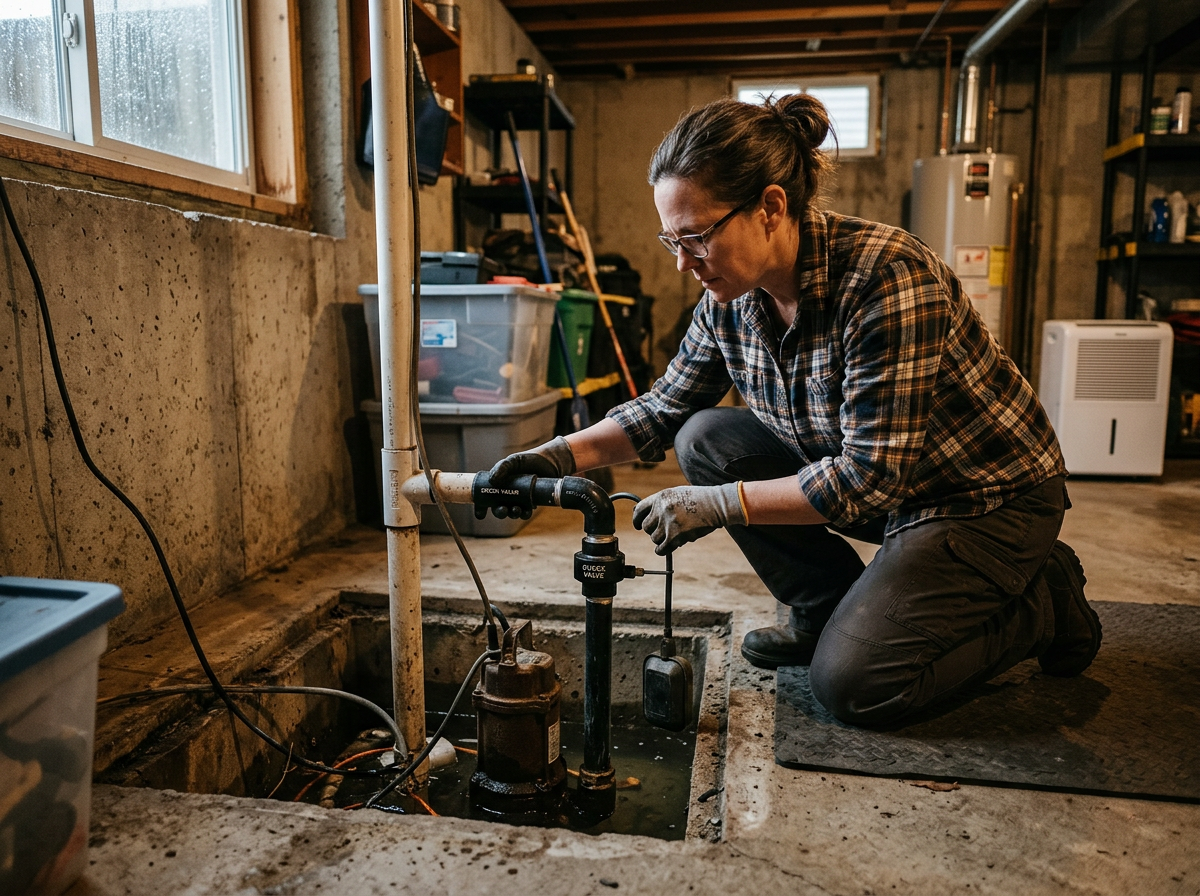
Inspect and test your sump pump at least 48 hours before heavy rain reaches Osseo so the system can manage spring meltwater sitting on frozen ground and the 42-60 inch frost depth beneath finished basements. This timing lets you clear frozen discharge lines, verify backup power, and confirm the pump can move water before water tables rise in the Anoka sand plain or Wright County clay areas. Local conditions like combined sewers in the urban core and severe ice dams make early checks essential for keeping water from entering through floor drains.
Testing the Pump and Float Switch
Run a manual test by pouring several gallons of water into the sump basin to lift the float and activate the pump. Listen for smooth motor operation without grinding or humming that signals a failing impeller. Check that the pump cycles off once the water drops below the switch level and confirm the discharge line carries water at least 10 feet away from the foundation. In Osseo, where winter temperatures keep discharge lines frozen for weeks, pour warm water down the line the day before rain to melt ice blockages. Repeat the test after the line clears to ensure flow rate remains steady during a multi-hour rain event.
Clearing Frozen Discharge Lines and Backflow Risks
Locate the exterior discharge point and inspect for ice buildup that commonly forms when sump water freezes at the outlet during sub-zero nights. Use a hair dryer or warm water flush on the exposed section rather than mechanical force that can crack PVC. Verify that the line does not empty into a low spot where water can back up toward the house once the ground thaws. In neighborhoods near Elm Creek, add a check valve if one is absent so rising creek levels cannot push water back through the pump. These steps reduce the chance of sewage entering through floor drains when combined sewers surcharge during heavy spring storms.
Power Supply and Backup Options
Confirm the sump pump is on a dedicated circuit with no tripped breakers or loose GFCI outlets that could cut power mid-storm. Test any battery backup unit by disconnecting house power and running the pump on battery for at least 30 minutes to measure remaining capacity. In Osseo homes with finished basements, place the backup unit on a shelf above typical flood height so it stays dry if water enters through windows or doors. Replace batteries every 3-5 years or per manufacturer schedule rather than waiting for failure during the first heavy rain after spring thaw.
When to Call for Professional Support
If the pump fails the manual test or discharge lines remain blocked after thawing attempts, contact a local water damage restoration team before rain arrives. Twin Cities Flood Response at 101 Broadway St W #114, Osseo, MN 55369 can evaluate the full system and perform flooded basement cleanup if water has already entered. Review related guidance on shutting off water and starting drying and grading fixes around foundations so the property stays protected through multiple storm cycles. Early action keeps moisture from reaching drywall or carpet in finished spaces where drying takes longer once humidity stays above 60 percent.